
1-888-289-0076
1-888-289-0076
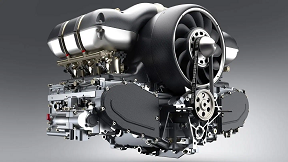
The 2026 automotive landscape has been significantly influenced by the ongoing challenges surrounding the GM 6.2L L87 engine. Known for its power and performance, this engine has been a popular choice among consumers and enthusiasts alike. However, reports of failures have raised serious concerns regarding its reliability. This article delves deep into the intricacies of the 6.2L L87 engine failures, examining whether the recall initiated by General Motors effectively addressed these problems or if underlying issues remain unresolved. With a focus on providing comprehensive insights, we aim to shed light on the situation, ensuring that consumers are well-informed before making decisions regarding their vehicles.
As the automotive industry evolves, the reliability of engine performance remains a critical factor for manufacturers and consumers. The GM 6.2L L87 engine, celebrated for its robust power delivery and exceptional torque, was initially met with widespread acclaim. However, the emergence of engine failures in 2026 has sparked a wave of inquiries and concerns among vehicle owners. Reports of engine misfires, excessive oil consumption, and catastrophic failures have flooded forums and social media platforms, prompting GM to take action. The recall aimed to rectify these issues, but many are left wondering if the solutions provided were sufficient or merely a temporary fix.
The recall process itself is often scrutinized, as it involves extensive testing, analysis, and modifications to existing engines. In the case of the GM 6.2L L87, the recall focused on addressing specific components that were identified as potential failure points. These included the engine's fuel injectors, ignition coils, and various sensors that play a crucial role in engine performance. GM's approach was to not only replace faulty components but also to enhance the overall design of the engine to prevent future failures. However, the effectiveness of these measures is still under debate, with numerous reports suggesting that some of the same issues persist even after the recall was implemented.
Consumer experiences following the recall have been mixed. While some owners have reported improved engine performance and a reduction in issues post-recall, others have continued to face challenges. The variance in outcomes may be attributed to several factors, including the maintenance history of the vehicle, driving conditions, and the specific nature of the repairs conducted during the recall. As a result, many consumers are left feeling uncertain about the long-term reliability of their GM 6.2L L87 engines. This uncertainty has sparked discussions across various platforms, with vehicle owners sharing their personal experiences and seeking advice from others who have navigated similar issues.
In addition to the immediate concerns surrounding engine performance, the long-term implications of the 2026 GM 6.2L L87 engine failures extend beyond individual vehicle owners. The reputation of General Motors as a manufacturer is at stake, as reliability and customer satisfaction play pivotal roles in consumer decision-making. The automotive market is fiercely competitive, and any perception of unreliability can significantly impact sales and brand loyalty. As GM works to address the concerns raised by the recall, the company must prioritize transparency and customer engagement, ensuring that vehicle owners feel heard and supported throughout this process.
Moreover, ongoing communication from GM regarding the status of the recall and any additional measures being taken to enhance the 6.2L L87 engine's reliability is crucial. Regular updates can provide consumers with peace of mind and foster a sense of trust in the brand. Additionally, GM may consider implementing extended warranties or specialized support programs for affected vehicle owners as a way to demonstrate commitment to customer satisfaction. Such initiatives could help mitigate the negative impact of the engine failures and reinforce the company’s dedication to resolving the issues at hand.
With the automotive landscape constantly evolving, consumers are advised to stay informed about their vehicle's performance and any recalls that may affect their engines. Regular maintenance checks, staying updated on GM's communications, and connecting with fellow vehicle owners can empower consumers to make informed decisions. As the 2026 GM 6.2L L87 engine failures continue to unfold, it’s essential to approach the situation with a balanced perspective, weighing both the successes and challenges that have emerged in the wake of the recall.
In conclusion, the 2026 GM 6.2L L87 engine failures present a complex situation that demands attention from both consumers and the manufacturer. While the recall was a step in the right direction, its effectiveness remains a topic of discussion. As consumers navigate their experiences, it is vital for GM to maintain open lines of communication and demonstrate a commitment to addressing the concerns raised. The journey towards restoring trust and reliability in the 6.2L L87 engine is ongoing, and the decisions made in the coming months will undoubtedly shape the future landscape of this powerful engine.
Owners have reported a range of issues, including engine misfires, excessive oil consumption, and in some cases, complete engine failure. These problems have led to widespread concern about the reliability of this engine model, prompting a recall from General Motors.
General Motors initiated a recall to address the identified issues by replacing faulty components such as fuel injectors, ignition coils, and various sensors. The company aimed to enhance the overall design to prevent future failures and improve engine performance.
Consumer experiences post-recall have been mixed. While some have reported improved performance, others continue to face similar issues. The effectiveness of the recall may vary based on individual circumstances, maintenance history, and driving conditions.
Staying informed about recalls, performing regular maintenance checks, and following GM's recommended service guidelines are essential steps for consumers. Engaging with other vehicle owners can also provide valuable insights and support.
For a detailed assessment and personalized quotes regarding your GM 6.2L L87 engine, contact us today!
```