
1-888-289-0076
1-888-289-0076
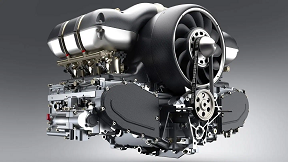
As the automotive industry evolves, the debate between turbocharged engines and naturally aspirated engines continues to intensify. With manufacturers increasingly favoring turbo technology for its ability to boost power while maintaining fuel efficiency, many car enthusiasts and potential buyers are left wondering: are turbocharged engines compromising long-term reliability? In this comprehensive analysis, we delve into the performance, durability, and maintenance of both engine types after the significant benchmark of 100,000 miles. By the end of this article, you'll have a clearer understanding of which engine might be the right choice for your driving needs and long-term investment.
Turbocharged engines have gained popularity due to their ability to deliver more power from a smaller displacement. This means that turbo engines can produce the same horsepower as larger naturally aspirated engines while consuming less fuel. However, this power comes at a cost. The added complexity of turbo systems, including the turbocharger itself, intercoolers, and additional cooling systems, raises concerns about long-term reliability. As these components work harder to deliver that extra power, they can be more prone to wear and tear, especially if the vehicle is not maintained properly. Regular oil changes, inspections, and using high-quality fuel become paramount for ensuring the longevity of a turbocharged engine.
On the other hand, naturally aspirated engines have a simpler design, relying on atmospheric pressure to draw air into the combustion chamber. This straightforward approach often translates to fewer components that can fail over time. Many enthusiasts argue that naturally aspirated engines offer a more reliable option for those looking to keep their vehicles for the long haul. After 100,000 miles, these engines tend to show less wear on critical components such as pistons and valves, assuming they have been properly maintained. However, they may not deliver the same power output or fuel efficiency as their turbocharged counterparts, making them less appealing for performance-oriented drivers.
One of the significant factors influencing the long-term reliability of an engine is how the vehicle is driven. Turbocharged engines, while powerful and efficient, can be more sensitive to driving styles. Aggressive acceleration and excessive engine load can lead to premature wear on turbo components, such as the turbocharger itself and the associated plumbing. Conversely, naturally aspirated engines may handle varied driving conditions with more resilience, as they do not face the same level of stress from forced induction. This difference in stress levels can also lead to variations in maintenance costs, with turbo engines potentially requiring more frequent repairs and replacements.
When evaluating the reliability of turbocharged versus naturally aspirated engines after 100,000 miles, it's essential to consider the impact of modern technology and materials. Advances in engineering have significantly improved the durability of turbocharged engines, with manufacturers now utilizing stronger alloys and better cooling systems to mitigate heat and wear. Additionally, many turbo engines come equipped with advanced engine management systems that optimize performance and efficiency, contributing to their longevity. In contrast, while naturally aspirated engines benefit from simpler designs, they may not have the same level of technological enhancements, which can impact performance over time.
Another aspect to consider is the effect of environmental factors on engine longevity. Turbocharged engines often operate at higher temperatures due to the increased heat generated by forced induction. This can lead to more significant thermal stress on engine components, particularly in hotter climates. On the other hand, naturally aspirated engines, which typically run cooler, may experience less thermal degradation, enhancing their reliability under various conditions. However, it's worth noting that both engine types can perform well if adequately maintained, emphasizing the importance of regular servicing and attention to detail in both cases.
Ultimately, the choice between a turbocharged and a naturally aspirated engine may come down to personal preference and driving style. If you prioritize power, efficiency, and modern technology, a turbocharged engine might be the ideal choice for you, provided you are willing to invest in its maintenance. Conversely, if you value simplicity, reliability, and lower long-term costs, a naturally aspirated engine may be better suited to your needs. As the automotive landscape continues to evolve, understanding the strengths and weaknesses of both engine types will empower you to make an informed decision for your vehicle.
1. Are turbocharged engines less reliable than naturally aspirated engines?
While turbocharged engines can be more complex and may require more maintenance, advancements in technology have made them more reliable than in the past. However, naturally aspirated engines generally have simpler designs, leading to fewer potential failure points.
2. What maintenance is necessary for turbocharged engines?
Regular oil changes, using high-quality fuel, and timely inspections of the turbocharger and associated components are crucial for maintaining a turbocharged engine's reliability. It's essential to follow the manufacturer's maintenance schedule and address any issues promptly.
3. Can I expect the same performance from a naturally aspirated engine as a turbocharged one?
Generally, turbocharged engines offer greater power and efficiency compared to naturally aspirated engines of the same size. However, naturally aspirated engines can still provide excellent performance, especially in applications where simplicity and reliability are prioritized.
4. Which engine type is better for long-term ownership?
The better engine type for long-term ownership depends on your priorities. If you want a powerful, efficient engine and are willing to invest in maintenance, a turbocharged engine could be ideal. If you favor reliability and lower maintenance costs, a naturally aspirated engine may be the better choice.
Ready to make an informed decision about your next vehicle? Contact us for quotes and expert advice today!
```