
1-888-289-0076
1-888-289-0076
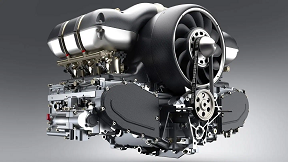
The toyota Tundra is renowned for its durability, ruggedness, and versatility on the road and off. However, in recent years, there have been growing concerns regarding the reliability of the V35A engine, particularly in certain model years. As a truck that is often relied upon for heavy-duty tasks, any indication of engine failure can have significant implications for owners. In this comprehensive guide, we will delve into the specific model years of the toyota Tundra that are at risk of experiencing V35A engine failure, the symptoms to watch for, and the steps you can take to protect your investment.
The V35A engine, a powerful and efficient option for the toyota Tundra, has garnered attention for both its strengths and weaknesses. The engine has been praised for its performance, offering ample power for towing and hauling. However, certain model years have shown a higher incidence of engine-related issues. Specifically, reports have indicated that Tundra models produced between 2020 and 2022 may be more susceptible to engine failure. These years have been marked by a range of complaints from owners regarding excessive oil consumption, knocking noises, and, in some cases, complete engine failure. Understanding the nuances of these model years is crucial for current and prospective Tundra owners.
One of the key factors contributing to V35A engine failure in select toyota Tundra model years is the manufacturing process and the materials used in engine components. The 2020, 2021, and 2022 models have been scrutinized for their engine designs, which may not have adequately addressed potential weaknesses. Issues such as inadequate lubrication, faulty gaskets, and even problematic fuel injectors have been reported, leading to a cascade of complications that can ultimately result in engine failure. Owners of these vehicles need to remain vigilant and proactive in monitoring their engines to detect any signs of trouble early on.
The symptoms of V35A engine failure can vary, but there are several common indicators that Tundra owners should be aware of. One of the most prevalent signs is increased oil consumption, where drivers may find themselves needing to add oil more frequently than normal. Additionally, unusual noises emanating from the engine compartment, such as knocking or ticking sounds, can signal underlying issues that require immediate attention. If you notice a decrease in engine performance, such as reduced power during acceleration or difficulty maintaining speed on inclines, it is essential to have your vehicle inspected as soon as possible. Ignoring these warning signs can lead to more extensive and costly repairs down the line.
For those who own a toyota Tundra from the at-risk model years, taking preventive measures can go a long way in ensuring the longevity of your vehicle. Regular maintenance is paramount; adhering to the manufacturer's recommended service intervals for oil changes and inspections can help catch potential problems before they escalate. Consider investing in high-quality engine oil that meets or exceeds the specifications set by toyota, as this can improve lubrication and potentially mitigate some of the risks associated with the V35A engine. Furthermore, staying informed about any recalls or technical service bulletins related to your model year can provide additional peace of mind.
If you suspect that your toyota Tundra may be experiencing issues related to the V35A engine, it is crucial to consult with a qualified mechanic or authorized toyota dealer. They can perform comprehensive diagnostics to assess the condition of your engine and recommend appropriate actions. Remember, addressing engine concerns early can save you significant time and money in the long run. Additionally, if you are considering purchasing a used Tundra, be sure to inquire about the vehicle’s maintenance history and any known issues specific to the model year.
In conclusion, while the toyota Tundra remains a popular choice among truck enthusiasts, the V35A engine's potential for failure in certain model years cannot be overlooked. Owners of the 2020, 2021, and 2022 Tundra models should be particularly vigilant in monitoring their vehicles for signs of distress. By staying informed and proactive, Tundra owners can better navigate the challenges posed by engine issues and continue to enjoy their trucks for years to come. If you have any concerns regarding your vehicle's performance or maintenance, do not hesitate to reach out for professional advice and assistance.
1. What are the specific model years of the toyota Tundra that are at risk for V35A engine failure?
The model years that are particularly at risk for V35A engine failure include the 2020, 2021, and 2022 toyota Tundra. Owners of these models should be vigilant for signs of engine distress.
2. What symptoms should I look for if I own a Tundra with a V35A engine?
Common symptoms of V35A engine failure include increased oil consumption, unusual knocking or ticking noises from the engine, and a noticeable decrease in engine performance.
3. What preventive measures can I take to protect my Tundra’s engine?
Regular maintenance is key. Ensure you follow the manufacturer’s recommended service intervals for oil changes and use high-quality engine oil. Additionally, stay informed about any recalls or technical service bulletins.
4. What should I do if I suspect my Tundra is experiencing engine issues?
If you suspect your toyota Tundra has engine issues, consult with a qualified mechanic or an authorized toyota dealer for a comprehensive diagnosis and appropriate recommendations.
For expert advice and quotes on your toyota Tundra, contact us today!
```