
1-888-289-0076
1-888-289-0076
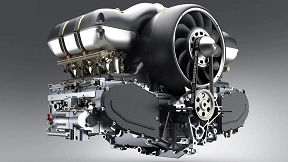
The automotive industry is no stranger to change, and when a giant like toyota makes a significant shift, the world takes notice. In a move that has sparked both excitement and controversy, toyota has replaced its iconic V8 engine with a cutting-edge twin-turbo V6 in some of its flagship models. This decision, while innovative, raises the question: Was it a mistake? This article delves deep into the implications of this transition, exploring the engineering advancements, performance metrics, and consumer sentiment surrounding this bold strategy.
For decades, the V8 engine has been synonymous with power and performance, delivering an exhilarating driving experience that has captivated enthusiasts and casual drivers alike. Known for its robust torque and unique sound, the V8 has earned its place in the hearts of many. However, as automotive technology evolves and environmental concerns become more pressing, manufacturers are compelled to innovate and adapt. The twin-turbo V6 offers a new perspective on performance, promising greater efficiency while still maintaining a thrilling driving experience. But how does this engine stack up against its legendary predecessor, and will it resonate with consumers who have long been loyal to the V8?
One of the most talked-about advantages of the twin-turbo V6 is its improved fuel efficiency. In an age where environmental awareness is paramount, toyota's decision to embrace this technology aligns with global trends toward sustainability. The twin-turbo V6 not only delivers impressive horsepower but also manages to reduce fuel consumption and emissions. This makes it an attractive option for drivers who are looking for power without compromising on their ecological footprint. Moreover, as regulations regarding emissions continue to tighten, this shift may position toyota favorably in a competitive market that increasingly values sustainability.
Performance is another critical aspect to consider in this engine transition. The twin-turbo V6 is engineered to provide a remarkable power-to-weight ratio, enhancing acceleration and responsiveness compared to traditional V8 engines. With advancements in turbocharging technology, the V6 can generate substantial power while maintaining smoothness and efficiency. Many car enthusiasts have noted that the driving dynamics of modern twin-turbo engines can sometimes rival, if not exceed, those of older V8 engines. This shift may represent a new era of performance, where turbocharged engines redefine what drivers expect from power and handling.
Consumer reactions to toyota's engine swap have been mixed, with some expressing nostalgia for the V8 while others embrace the technological advancements of the V6. Brand loyalty plays a significant role in how customers respond to such changes. For many, the V8 represents a legacy of power and performance that is hard to let go of. Conversely, a younger generation of drivers, more attuned to sustainability and technological innovation, may welcome the new approach. toyota's challenge lies in balancing these sentiments while ensuring that the new engine meets or exceeds the performance benchmarks set by its predecessor.
Another critical factor to consider is the impact on toyota's brand image. As a company known for reliability and innovation, the transition from V8 to twin-turbo V6 could either bolster its reputation or lead to backlash from traditionalists. This decision also reflects a broader trend in the automotive industry, where many manufacturers are pivoting towards smaller, more efficient engines that incorporate advanced technologies. toyota must ensure that its new offerings not only deliver on performance but also align with the brand's core values of reliability, safety, and customer satisfaction.
Moreover, the competitive landscape of the automotive market plays a significant role in this transition. toyota is not alone in this endeavor; many of its competitors are also exploring turbocharged engines and hybrid technologies. As the market continues to evolve, the pressure will be on toyota to stay ahead of the curve. The success of the twin-turbo V6 will ultimately depend on how well it performs in real-world conditions, customer feedback, and its ability to compete against both traditional V8s and other innovative engine technologies.
In conclusion, while the decision to replace the legendary V8 with a twin-turbo V6 may raise eyebrows, it represents a strategic move towards innovation and sustainability. The effectiveness of this transition will be measured by how well toyota can balance performance with efficiency, meet consumer expectations, and navigate the evolving automotive landscape. As the industry continues to shift, only time will tell if this decision will be remembered as a mistake or a forward-thinking masterstroke.
The twin-turbo V6 offers improved fuel efficiency and reduced emissions while delivering comparable power and performance. Its advanced technology allows for a better power-to-weight ratio, enhancing acceleration and responsiveness compared to traditional V8 engines.
Yes, the twin-turbo V6 may attract younger consumers who prioritize sustainability and technological advancements. This demographic typically values efficiency and innovation, making the new engine an appealing option for them.
While performance can vary depending on the specific model and driving conditions, many drivers have noted that modern twin-turbo engines can match or even exceed the performance of older V8 engines in terms of acceleration and handling.
The impact on toyota's brand image will depend on consumer reception. If the twin-turbo V6 meets or exceeds performance expectations while aligning with the brand's values of reliability and innovation, it could enhance toyota's reputation; however, backlash from traditional V8 enthusiasts could pose a challenge.
For personalized quotes and expert insights, contact us today!
```