
1-888-289-0076
1-888-289-0076
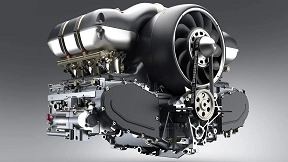
In the ever-evolving landscape of automotive engineering, some modern engine designs have garnered a reputation that makes even seasoned mechanics raise an eyebrow. While advancements in technology promise efficiency, power, and eco-friendliness, not all engines deliver on these promises. As we step into 2026, certain engines have emerged that mechanics may approach with caution, whether due to reliability issues, maintenance complexity, or the overall cost of ownership. In this article, we’ll explore ten modern engines that have mechanics thinking twice before recommending them to customers, ensuring both consumers and industry professionals stay informed about their choices.
The first engine on our list is the highly touted but notoriously finicky twin-turbocharged inline-four engines. While they offer an impressive power-to-weight ratio and enhanced fuel efficiency, mechanics often find themselves troubleshooting complex turbocharging systems that can lead to costly repairs. The compact design may seem advantageous, but the intricate plumbing and electronic controls can complicate maintenance and repairs. As such, many mechanics would advise potential buyers to weigh the benefits against the high likelihood of future service needs, especially if the vehicle is intended for everyday use.
Next, we delve into the realm of hybrid engines, specifically those that integrate both gasoline and electric powertrains. Although hybrids are celebrated for their fuel efficiency and reduced emissions, they pose unique challenges for mechanics. The dual systems require specialized training and tools to service, which can turn a simple repair into a complex and expensive ordeal. Additionally, battery degradation over time can lead to significant replacement costs. Mechanics are increasingly wary of recommending hybrids because of these long-term considerations, especially for customers who may not be prepared for the eventual financial burden.
Another engine type that raises eyebrows is the high-performance naturally aspirated V8 engines. While these engines are revered for their raw power and thrilling driving experiences, they are often accompanied by poor fuel economy and higher emissions. Mechanics frequently encounter issues related to carbon buildup, especially in direct-injection systems. The maintenance required to keep these engines performing optimally can be daunting for many owners, leading to a potential love-hate relationship with their vehicles. As the automotive industry shifts towards greener alternatives, many mechanics may hesitate to recommend these gas-guzzlers for everyday driving.
Continuing with our list, we find engines equipped with complex variable valve timing (VVT) systems. Although VVT technology enhances performance and efficiency, it can also introduce a plethora of issues. Mechanics have reported that when VVT systems malfunction, they can cause a range of problems from poor acceleration to catastrophic engine failure. The intricate design can lead to costly repairs and downtime, making this engine type a dubious choice for reliability-conscious consumers. Mechanics often advise potential buyers to thoroughly research the brand and model before committing to a vehicle with such technology.
Next up are the advanced diesel engines that promise exceptional torque and fuel economy. Despite these advantages, mechanics are growing concerned about their reliability and the environmental impact of emissions systems. Selective Catalytic Reduction (SCR) systems, while effective at reducing harmful emissions, can sometimes lead to expensive repairs and complicated maintenance. Furthermore, the diesel market is facing increasing scrutiny due to tightening regulations, which can lead to further complications down the line. Mechanics may caution buyers to consider the long-term implications of owning a modern diesel engine, especially in regions with stringent environmental laws.
We also have turbocharged three-cylinder engines, which are becoming increasingly popular due to their compact size and impressive fuel efficiency. However, mechanics are often skeptical about their long-term durability. Issues such as turbo lag, overheating, and the risk of catastrophic failure can deter professionals from endorsing these engines. While they may be suitable for city driving, mechanics are cautious about recommending them for those who frequently embark on long road trips or require a more robust powertrain for varied driving conditions.
Additionally, we cannot overlook the challenges posed by engines with complex hybridization technologies, such as plug-in hybrids. While they offer the promise of electric driving for short distances, the intricate systems that manage power distribution can be a nightmare for mechanics. With multiple components involved, troubleshooting issues can take significantly longer and lead to higher repair costs. Mechanics may find themselves reluctant to recommend plug-in hybrids to customers who are not prepared for the potential complexities involved in their upkeep.
Another engine type that warrants caution is the variable compression ratio (VCR) engines, which are designed to optimize performance and efficiency. While this innovative technology sounds promising, it often introduces reliability concerns that mechanics are wary of. The mechanical components necessary for adjusting the compression ratio can wear out over time, leading to costly repairs. As such, mechanics may advise potential buyers to consider more conventional engines that offer proven reliability over the latest technological advancements.
Moreover, we must address the shift towards fully electric powertrains. While electric vehicles (EVs) are celebrated for their zero emissions and lower operating costs, they also present unique challenges for mechanics. The high-voltage systems and advanced electronics require specialized training to service, and the cost of replacement parts can be exorbitant. Mechanics may caution consumers about the long-term reliability of EV components, especially as battery technologies continue to evolve. As the market continues to grow, understanding the intricacies of electric powertrains will become increasingly important for both mechanics and consumers alike.
Lastly, we have the turbocharged flat-four engines, which have gained popularity in certain sports cars. While they provide a unique driving experience, their complexity can lead to significant maintenance challenges. Mechanics are often concerned about the likelihood of oil leaks and other issues that can arise from the compact design. The high-performance nature of these engines can also result in increased wear and tear, leading to costly repairs down the line. As such, potential buyers should be well-informed about the potential pitfalls of owning a turbocharged flat-four engine before making a purchase.
Before purchasing a vehicle with a modern engine, consider the engine's reliability, maintenance costs, and the availability of parts. It's also essential to research the specific make and model to understand common issues that may arise. Consulting with a trusted mechanic can provide valuable insights into the long-term ownership experience.
While hybrids can offer excellent fuel efficiency and reduced emissions, their long-term reliability and maintenance costs should be carefully considered. If you plan to keep the vehicle for several years, weigh the potential costs of battery replacement and specialized services against the savings on fuel. A thorough cost-benefit analysis can help make an informed decision.
Regular maintenance is key to ensuring the longevity of any engine. Follow the manufacturer's recommended service schedule, use high-quality fluids, and address any issues promptly. Additionally, staying informed about common problems associated with your engine type can help you catch potential issues before they become major repairs.
Engines with proven reliability, such as naturally aspirated inline-four designs or established V6 engines, are often recommended for everyday use. These engines typically have fewer complex components and a history of durability, making them a safer choice for consumers looking for a reliable vehicle.
For personalized quotes and expert advice on your automotive needs, contact us today!
```